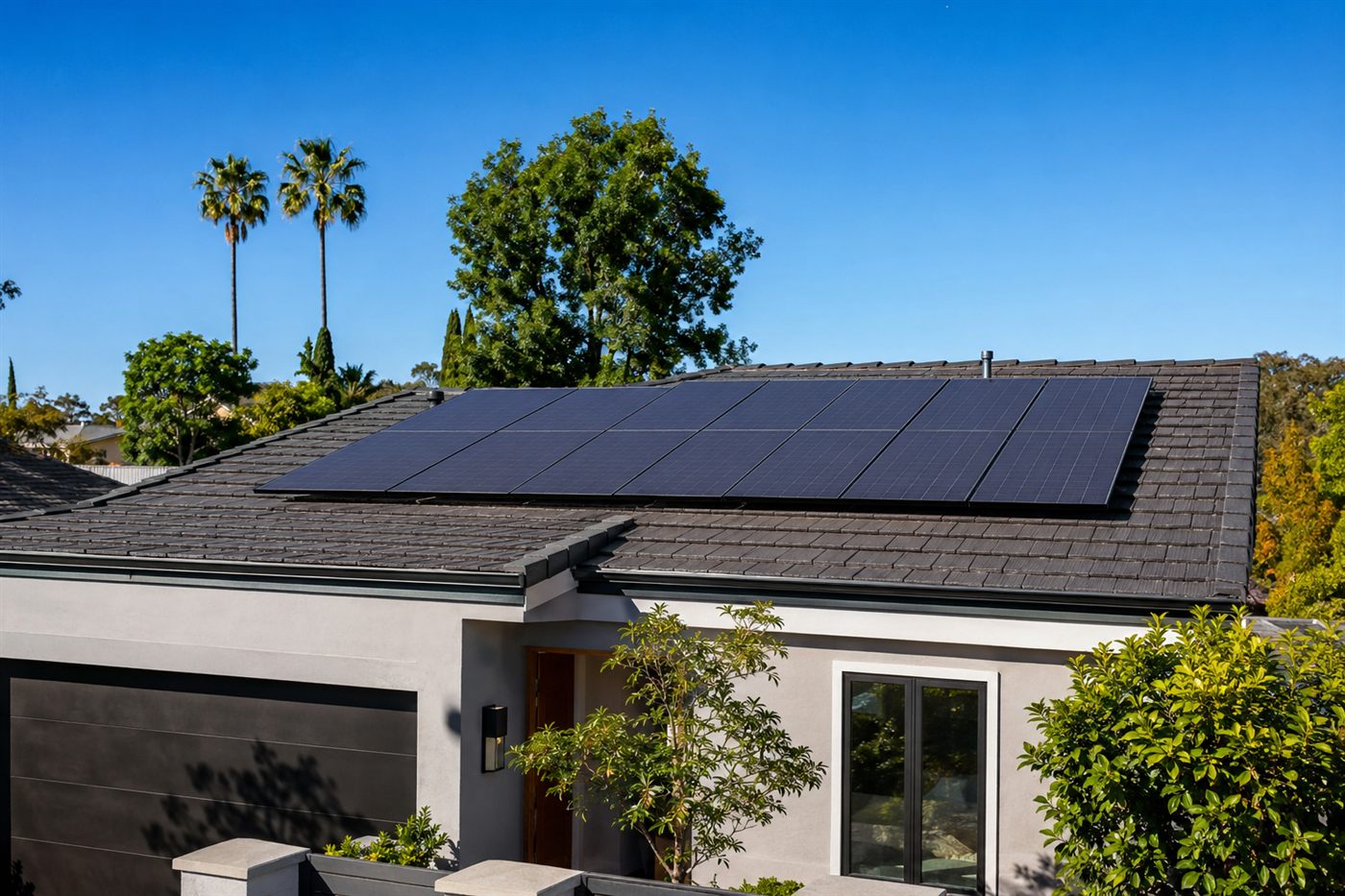
Solar is the one upgrade that attacks your electricity bill at the source — instead of using less power, you generate your own. In a state with some of the highest electricity rates in the country, that's a powerful idea. But the rules changed recently, and there's a lot of outdated (and sometimes misleading) sales talk out there. Here's the honest 2026 picture for California homeowners.
How solar lowers your electricity bill
Solar panels on your roof turn sunlight into electricity your home uses in real time. Every kilowatt-hour your panels produce is one you don't buy from the utility. Over a sunny California year, that can offset a meaningful share of your electricity use — how much depends on your roof, your usage, and your rate plan.
The big change: net billing (NEM 3.0)
Here's what many homeowners don't realize. Under California's older rules, extra solar you sent to the grid earned you a credit close to the retail rate. Since 2023, net billing (often called NEM 3.0) pays a much lower credit for exported power.
What this means for you: the value is now in using your own solar rather than exporting it. That's why the conversation has shifted from "how many panels" to "panels plus a battery," so you can store daytime power and use it in the evening instead of selling it back cheaply. Whether that pencils out depends on your specific home — no honest installer promises a fixed savings number.
Where batteries fit in
A home battery stores the solar you generate during the day so you can use it at night — when rates are often highest and your panels aren't producing. Batteries also keep essential circuits running during outages. They're an added cost, so the right question isn't "should everyone get one," but "does one make sense for my usage and rate plan." That's exactly what a proper assessment figures out.
Be careful with these solar sales claims
Watch out for anyone who: promises a specific dollar savings or "free" solar; claims a federal solar tax credit on a 2026 install (Section 25D expired at the end of 2025); or rushes you to sign before you've seen the numbers in writing. Solar can be a great decision — but only with honest, home-specific math.
Is your home a good solar candidate?
- A roof with decent sun exposure and life left in it (roofing and solar are best planned together)
- Higher electricity usage — especially in the evenings
- An electrical panel that can support it
- You plan to stay in the home long enough to benefit
A free assessment reviews your roof, panel, usage, and rate plan, and tells you honestly whether solar — with or without a battery — makes sense for you, and what you may qualify for.
See What Your Home May Qualify For
Answer 5 quick questions and book a free, no-obligation assessment with a licensed contractor.
Check My Eligibility →Frequently asked questions
Is solar still worth it in California?
It can still lower your electricity costs, but net billing (NEM 3.0) reduced export credits, so your usage patterns and whether you add a battery matter more than before. It depends on your home — a free assessment gives you honest numbers.
Should I get roofing done before solar?
If your roof is aging, yes — you don't want to remove panels later to replace a worn roof. Planning roofing and solar together saves money and hassle.
Is there still a federal solar tax credit?
The federal residential clean energy credit (25D) expired at the end of 2025. Be skeptical of anyone promising it on a 2026 installation, and verify any incentive claim before signing.
This article is for general informational purposes only and is not financial or tax advice. Net-billing rules, rate plans, and incentive programs are set by utilities and regulators, vary by location, and change over time. No specific savings, program approval, or free equipment is promised or guaranteed. Potential savings depend on individual home conditions, energy usage, rate plan, and equipment. California Home Energy Center is a private company and is not affiliated with any government agency or utility provider.